Choosing good violin strings can improve the sound of your instrument. You may want to experiment with different brands to decide the sound you like best on your violin, because the same brand of string can produce varied results on different violins.
There are three main categories of violin strings: Synthetic Core, Steel Core, and Gut Core. Visit our Violin Strings Overview to learn more about the differences between these types of strings? For directions on how to change strings, visit our Changing Strings page.
What are violin strings made out of? Violin strings are made from three main materials: synthetic, steel, and gut. Although violin strings were once made solely of gut, all-gut strings are rarely used today because they are expensive and go out of tune quickly.
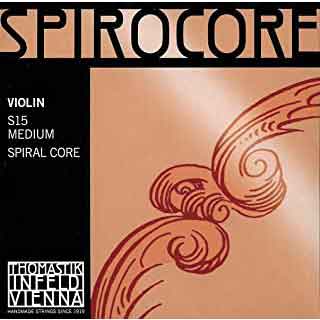
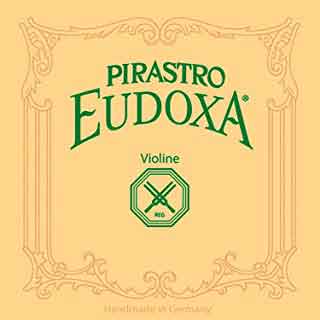
Synthetic Core strings are designed to replicate the rich sound of gut strings and often have a warm, bright tone without requiring the frequent tuning of gut-core strings. Synthetic-core violin strings use a durable synthetic core such as Perlon, Kevlar, or other composites, and are wrapped with metals such as aluminum or silver. Brands such as Thomastik’s Dominant strings were among the first synthetic strings made and still enjoy wide popularity. If you buy a set of synthetic-core strings, many include a steel violin E string.
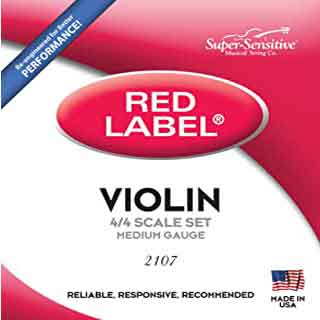
Steel Core strings are often described as having a bright, loud, and direct sound, and many fiddlers and jazz violinists prefer steel strings. These strings are thinner in diameter than synthetic-core or gut-core strings and are wound with various metals such as nickel, silver, titanium, or steel. Steel-core strings stay in tune better than other strings because the steel core is not affected by humidity and temperature the way gut-core or synthetic-core strings are. For this reason, steel strings are often used for young violinists. Brands such as Super-Sensitive Red Label are popular inexpensive options.
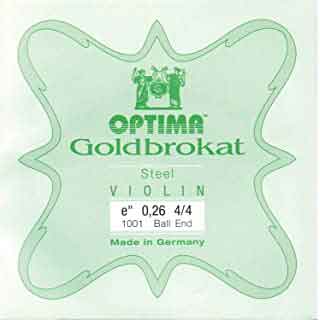
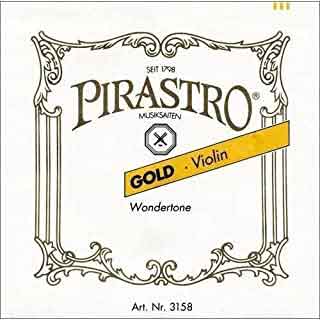
Steel E strings are used by many violinists in combination with synthetic-core or gut-core strings for the other three strings. The main types of E strings are plain steel, plated steel, and wrapped steel. Popular examples include Pirastro’s Gold E and Optima’s Goldbrokat steel E. Beginners sometimes favor wound E strings because they do not whistle as much.
Gut strings have a rich, warm sound and come in either plain, unwound gut, often used for Baroque instruments, or as a gut-core string wound with metals such as aluminum or silver. Gut-core strings are not as durable as steel or synthetic-core strings and are more sensitive to humidity and temperature changes, so they often require more frequent tuning. Most gut-core violin sets include a steel E string, while G, D, and A are gut-core. Popular brands include Pirastro’s Gold Label and Passione.
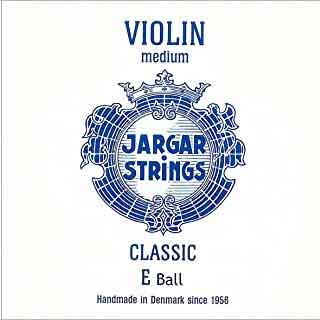
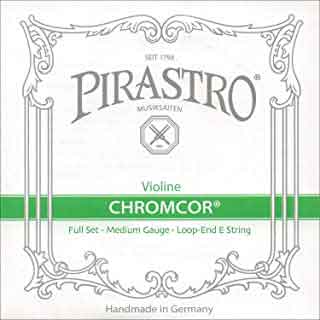
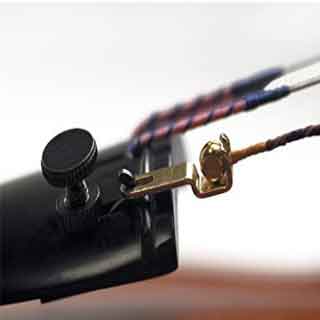
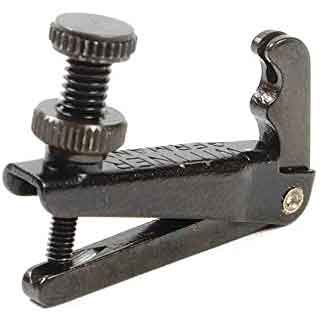
What is the difference between an E string with a ball end or loop end? Ball-end strings require a fine tuner with two prongs, and loop-end strings are designed for one-prong tuners, though some can be used with both. It is a good idea to check how your violin is currently strung before ordering an E string.
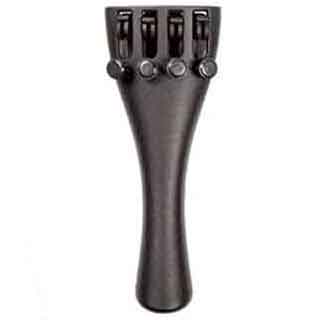
The violin strings listed on this page feature some of the most popular brands, though additional brands are available. Strings may be purchased in full sets or as individual strings, and most of the strings listed are for 4/4 full-size instruments. If you are a beginner and your violin did not come with fine tuners on every string, you may want to consider adding fine tuners to your violin tailpiece to assist in tuning.
Music Store Disclaimer: Products listed on this site are sold by outside vendors. Users are advised to carefully investigate the individual store return policies of all online purchases they make. ViolinOnline.com is a participant in the Amazon Services LLC Associates Program, an affiliate advertising program designed to provide a means for sites to earn advertising fees by advertising and linking to Amazon.com. The Amazon logo is a trademark of Amazon.com, Inc. or its affiliates. Although we have an affiliate referral relationship with Amazon and Sheet Music Plus and also display Google Ads, we do not own or control outside stores selling products accessed through this site. Before buying anything, users are advised to carefully investigate the individual store return policies of all online purchases they make. We are not responsible or liable for quality of merchandise of these outside vendors or their company return policies or services.